
Mental Health Therapy and Services for Children
Help your child manage anxiety, behavioral concerns, trauma, grief, school difficulties, family changes, and other emotional challenges through individualized mental health therapy—available through secure telehealth sessions and other treatment settings where available.
- Serving children and families since 1995
- Telehealth available
- Insurance options accepted

You do not need to know exactly what is wrong, or which type of therapy your child needs, before requesting help.
Children’s Mental Health Services at Chrysalis Health
Chrysalis Health provides mental health therapy for children, teens, and families through programs available in Florida, Ohio, and Texas. Treatment is individualized around each child’s age, development, symptoms, strengths, environment, and specific needs. Services may include child counseling, family therapy, play-based approaches, psychiatric care, and other behavioral health support delivered through telehealth or, where available, in the home, at school, in the community, or at select office locations.
What Is Children’s Mental Health Therapy?
Children’s mental health therapy is professional support designed to help kids and teens understand emotions, manage anxiety, improve behavior, process trauma or grief, strengthen communication, and develop healthier coping skills.
Depending on the child’s age and needs, treatment may include child counseling, play therapy, child-centered play therapy, cognitive behavioral therapy, family involvement, and other individualized approaches.
When Should a Child See a Mental Health Therapist?
All children experience fear, sadness, frustration, and difficult behavior at times. Professional support may be appropriate when those concerns continue, become more severe, cause significant distress, or interfere with daily life.
These signs do not automatically mean your child has a mental health disorder. An assessment can help identify what may be contributing to the problem and determine which type of support may fit.
Signs that a child may benefit from a mental health assessment include:
- Frequent anxiety, fear, panic, or excessive worry
- Persistent sadness, withdrawal, hopelessness, or irritability
- Anger, aggression, defiance, or repeated emotional outbursts
- Difficulty calming down or managing strong emotions
- Changes in sleep, appetite, energy, or concentration
- School avoidance or declining academic performance
- Bullying, friendship difficulties, or social isolation
- Trauma, grief, or another significant loss
- Difficulty adjusting to divorce, relocation, illness, or family changes
- Behavioral or emotional concerns related to ADHD
- Loss of interest in activities the child once enjoyed
- Statements about self-harm, suicide, or hurting someone else
If you recognize your child in this list, you do not have to figure out the next step alone.
Mental Health Concerns Therapy Can Address
Therapy for Childhood Anxiety and Excessive Worry
Anxiety can cause children to avoid school, social situations, sleeping alone, separating from a caregiver, or participating in everyday activities. Therapy helps children recognize anxious thoughts, understand physical reactions, and develop healthier ways to manage fear and worry.
Therapy for Childhood Depression and Withdrawal
Depression in children can appear as sadness, irritability, low energy, isolation, difficulty concentrating, or loss of interest. Therapy helps children communicate what they are feeling, rebuild healthy routines, and reconnect with family, friends, and activities.
Therapy for Anger and Behavioral Concerns
Frequent outbursts, aggression, defiance, or impulsive behavior may be connected to emotional distress, communication difficulties, environmental stress, or an underlying behavioral health condition. Therapy helps children identify triggers, manage strong reactions, and develop healthier responses.
Therapy for Childhood Trauma
Trauma-informed therapy helps children process frightening or overwhelming experiences, understand their reactions, rebuild a sense of safety, and develop coping strategies—without forcing them to discuss experiences before they are ready.
Therapy for Grief and Significant Loss
Children often struggle to understand or express grief following a death, separation, relocation, illness, or another major loss. Therapy provides an age-appropriate setting to explore feelings, ask questions, and adjust to change.
Therapy for School and Social Difficulties
Mental health concerns can affect attendance, concentration, academic performance, classroom behavior, friendships, and confidence. Therapy helps children strengthen communication, emotional regulation, coping, and problem-solving skills.
Therapy for Family Changes and Conflict
Divorce, separation, remarriage, relocation, illness, or conflict at home can affect a child’s emotional security. Individual and family therapy can help children and caregivers communicate more effectively and adjust to changes within the family.
Mental Health Therapy for Children and Teens
Treatment begins with an assessment to understand what your child is experiencing, how long the concerns have been present, and how they affect life at home, at school, and in relationships.
It will be based on your child’s developmental level, communication style, symptoms, strengths, and goals—not a one-size-fits-all program. Therapy may use conversation, structured activities, games, drawing, coping exercises, caregiver participation, or a combination of approaches.
Depending on the assessment and treatment plan, therapy may include:
- Individual mental health therapy
- Child counseling
- Play therapy and play-based techniques
- Cognitive behavioral therapy
- Behavior-focused therapy
- Trauma-informed therapy
- Family therapy
- Parent and caregiver guidance
- Psychiatric evaluation and medication management when appropriate
Play Therapy for Children
What Is Play Therapy?
Play therapy uses play and developmentally appropriate activities to help children communicate, express emotions, process experiences, and develop healthier coping and problem-solving skills.
Children—especially younger children—may not be able to explain difficult feelings through conversation alone. Play gives them another way to communicate what they are feeling, remembering, fearing, or struggling to understand.
Play therapy and play-based techniques may include:
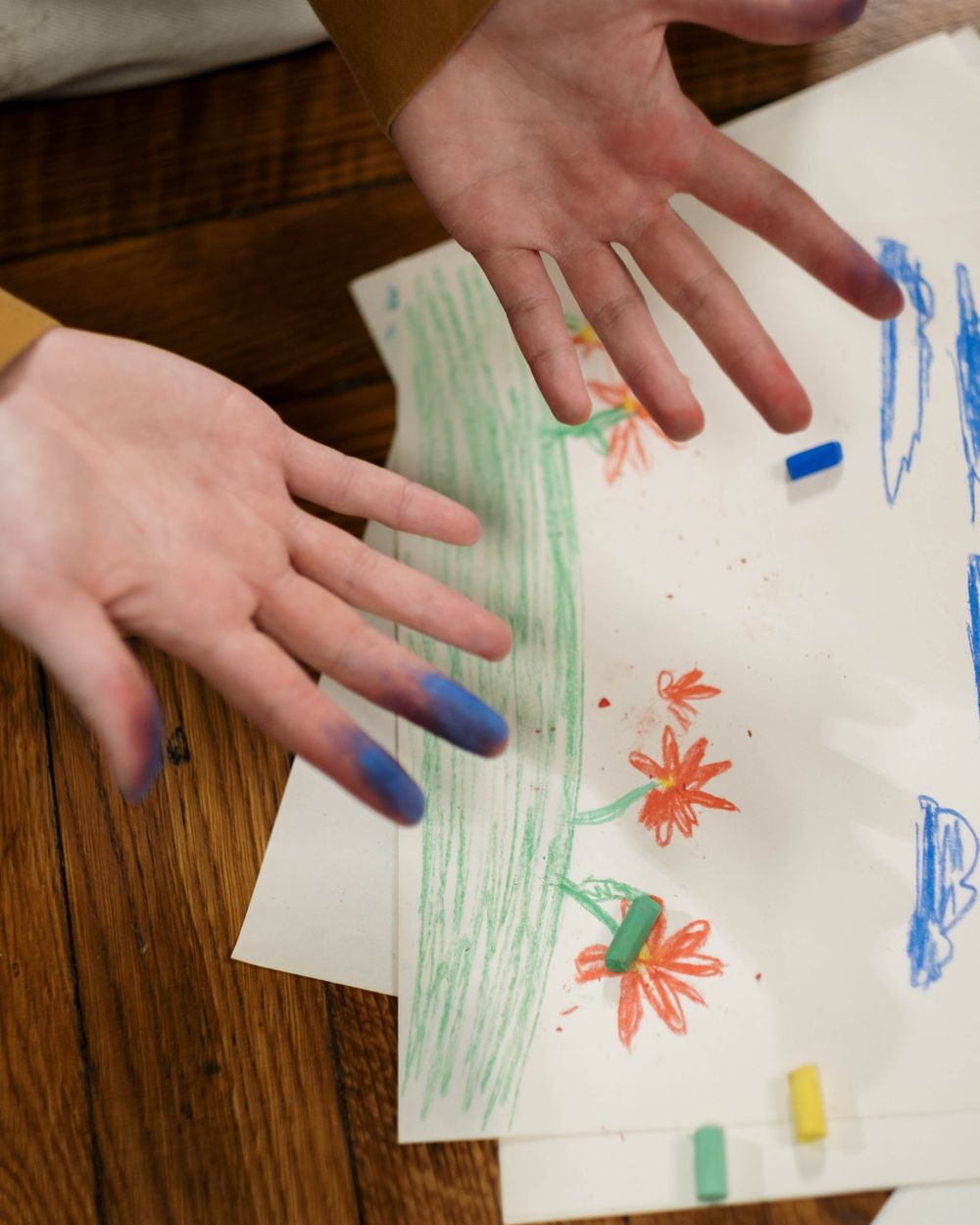
- Drawing and creative activities
- Toys, dolls, figures, or puppets
- Storytelling and role-playing
- Therapeutic games
- Emotion-identification exercises
- Calming and coping activities
- Structured problem-solving

What Is Child-Centered Play Therapy?
Child-centered play therapy allows the child to take a more active role in therapeutic play while the therapist provides a safe, structured, and supportive environment.
Rather than directing every activity, the therapist observes how the child communicates, responds to emotions, approaches problems, and interacts with the materials. Those observations and the therapeutic relationship can help the child build confidence, emotional awareness, regulation, and healthier responses.
Play Therapy Is More Than Playtime
Play therapy is not simply allowing a child to play with toys. Activities are used or observed within a therapeutic relationship and connected to specific treatment goals.
Play therapy may be used by itself or combined with child counseling, cognitive behavioral therapy, family therapy, trauma-informed care, or other approaches.
Does Every Child Receive Play Therapy?
No. Play therapy is used when it is developmentally and clinically appropriate. Some children and teens respond better to conversation-based therapy, structured skill-building, cognitive behavioral therapy, family counseling, or a combination of approaches.

Telehealth Therapy for Kids and Teens
Chrysalis Health provides access to mental health services through secure video sessions using a smartphone, tablet, or computer.
Telehealth can make therapy easier to access by reducing travel, scheduling conflicts, and time away from school or work. Some children also feel more comfortable participating from a familiar environment.
Virtual sessions may use many of the same age-appropriate approaches as in-person therapy, including conversation, therapeutic games, creative activities, coping exercises, and caregiver participation.
It helps most where transport, mobility, schedules, or a shortage of nearby providers get in the way. It is not right for every child or situation: suitability depends on need, safety, ability to take part, technology, home setting, insurance, and clinical advice.
Parents and Caregivers Are Part of Treatment
Parents and caregivers often play an important role in therapy for children and teens. You can provide information your child may not recognize or communicate, help establish treatment goals, reinforce new skills between sessions, and help the therapist understand what is happening outside therapy.
Family involvement can be especially important for younger children and may help strengthen communication, relationships, and overall functioning.
The goal is never to blame the child or caregiver. It is to understand the complete situation and build a consistent support system around your child.
Parent involvement may include:
- Sharing developmental, medical, and behavioral history
- Helping identify concerns and treatment goals
- Participating in selected sessions
- Learning strategies to use at home
- Supporting skills practiced between appointments
- Reporting changes in mood, behavior, sleep, or school performance
- Participating in family therapy when appropriate
What to Expect When Starting Therapy
A specialist generally responds within 48 hours after an online request is submitted. Call directly if you need a faster response.
-
Request Services
Complete the online request form or call (888) 587-0335. You do not need a diagnosis, and you do not need to know which type of therapy is appropriate.
-
Speak With a Chrysalis Health Specialist
A specialist reviews your concerns, location, insurance information, and available services.
-
Complete a Mental Health Assessment
A clinician gathers information about your child’s symptoms, behavior, development, family circumstances, school experiences, strengths, and support system.
-
Receive an Individualized Treatment Plan
The assessment helps determine which services, treatment approach, and level of care may fit your child.
-
Get Matched With a Therapist
Your child is matched with a therapist based on clinical needs, location, insurance coverage, and provider availability.
-
Begin Therapy
The therapist contacts your family to schedule treatment and discuss participation, goals, and next steps.
Why Families Choose Chrysalis Health
Chrysalis Health was founded in 1995 and has grown into a comprehensive behavioral healthcare organization serving children, adolescents, adults, and families. Its team includes therapists, counselors, case managers, psychologists, psychiatrists, psychiatric nurse practitioners, and other behavioral health professionals.
Families may have access to:
- Individualized assessments and treatment plans
- Mental health therapy for children and teens
- Secure telehealth services
- Individual and family counseling
- Play therapy and child-focused approaches
- Psychiatric evaluation and medication management when appropriate
- Home-, school-, office-, and community-based services where available
- Commercial, Medicaid, and Healthy Kids insurance options
- Income-based rates for qualifying self-pay clients
Current services, age eligibility, insurance participation, provider availability, and treatment settings vary by location and plan and should be confirmed before treatment begins.
Help Your Child Get the Right Support
You do not need to know exactly what is wrong or wait for emotional or behavioral concerns to become a crisis. A mental health assessment can help your family understand what your child is experiencing and determine the right next step.
Chrysalis Health has served children and families since 1995. A specialist generally responds within 48 hours after an online request—or call directly if you need a faster response.
If your child is in immediate danger, call 911. For urgent mental health support in the United States, call or text 988.

Frequently Asked Questions About Children’s Mental Health Services
Consider requesting a mental health assessment when emotional or behavioral concerns continue for several weeks, cause significant distress, or interfere with your child’s life at home, at school, or with friends. Seek help sooner when symptoms are severe, rapidly worsening, or unsafe.
Mental health therapy can help children experiencing anxiety, depression, trauma, grief, anger, behavioral concerns, family changes, school difficulties, social challenges, and problems managing emotions.
A clinician gathers information about the child’s symptoms, behavior, development, health, family circumstances, school experiences, relationships, strengths, and support system. The assessment helps determine which services and treatment approaches may fit the child.
Children are not expected to communicate like adults. A child therapist may use drawing, games, storytelling, play, structured activities, and other age-appropriate approaches to help the child participate and express thoughts or emotions.
Play therapy uses play and developmentally appropriate activities to help children communicate, express emotions, process experiences, and develop healthier coping and problem-solving skills.
Child-centered play therapy gives the child more freedom to lead therapeutic play while the therapist provides a safe, structured, and supportive environment. The therapist uses the child’s play, choices, and responses to better understand concerns and support emotional development.
Telehealth can work well for many children when the treatment approach, technology, home environment, and level of caregiver involvement are appropriate. It may not be suitable for every child or clinical situation.
Parents and caregivers are often involved, particularly with younger children. Participation may include sharing information, helping establish goals, joining selected sessions, learning strategies to use at home, and supporting skills between appointments.
There is no standard timeline. Treatment length depends on the child’s symptoms, treatment goals, attendance, family participation, response to therapy, and whether circumstances change during care.
Therapists and counselors generally provide mental health counseling and psychotherapy. Psychologists may also provide therapy but often have additional training in psychological testing and diagnosis. Qualifications, licenses, and services vary by provider.
Many insurance plans cover assessments, therapy, and other behavioral health services, but coverage varies by plan, location, provider, and type of care. Chrysalis Health accepts a range of commercial, Medicaid, and Healthy Kids plans and offers income-based rates for qualifying self-pay clients.
Psychiatric evaluations and medication management may be available when clinically appropriate. Availability depends on the child’s age, location, insurance coverage, provider availability, and treatment recommendations.
Chrysalis Health offers programs in Florida, Ohio, and Texas. Telehealth and other treatment settings may be available depending on the child’s location, age, clinical needs, program eligibility, insurance coverage, and provider availability.
Call 911 or go to the nearest emergency department if there is immediate danger. In the United States, call or text 988 for immediate crisis support involving suicidal thoughts, self-harm risk, or another urgent mental health concern.